Peace Walks
What is a Peace Walk?
Improving peace practice is amongst the most pressing challenges humanity faces today.
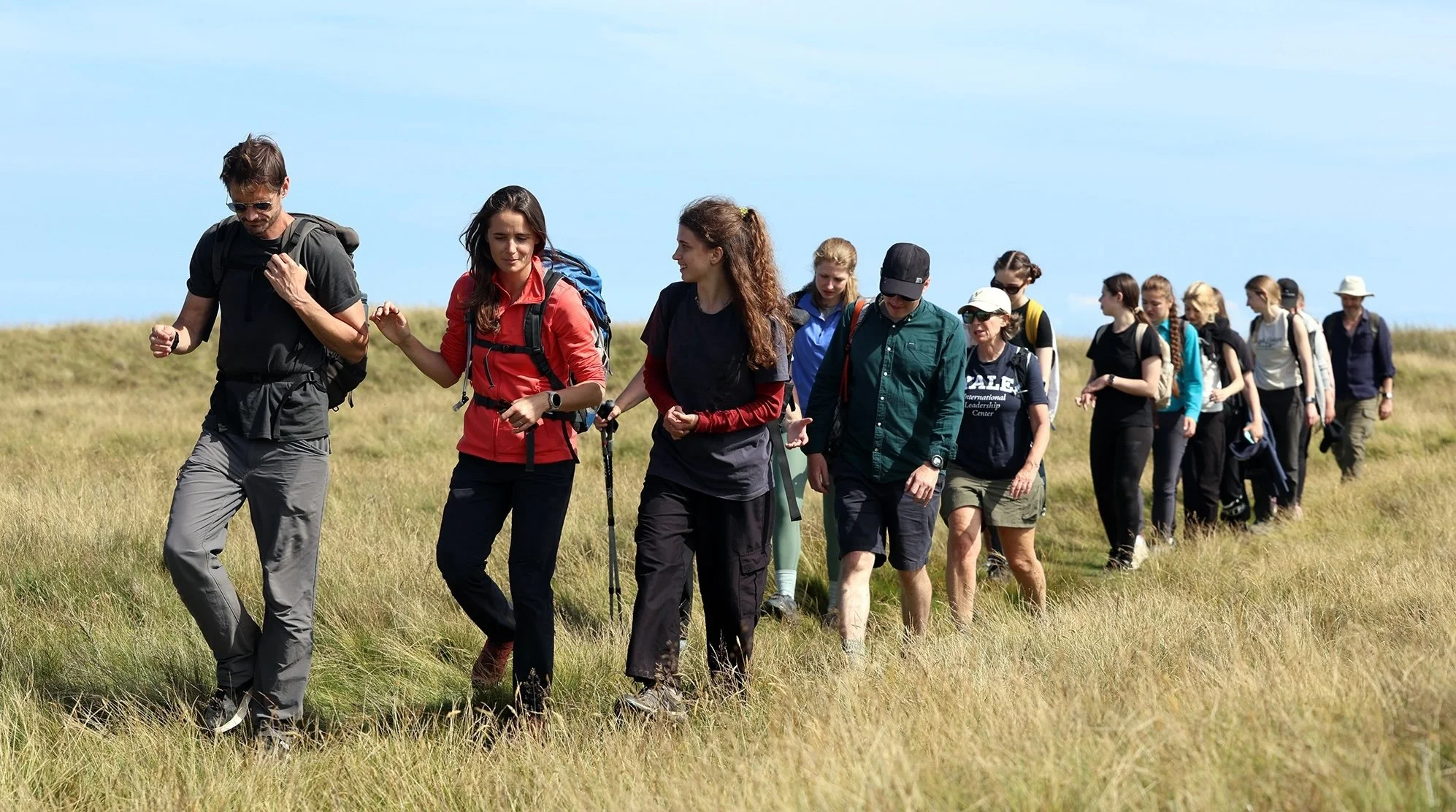
Peace Walks are designed to bring together peace actors, thought leaders, and emerging changemakers through the simple but powerful act of walking. Grounded in the belief that dialogue works best in motion, Peace Walks offer week-long walking residencies that foster deep connection, reflection, and innovative thinking about peacebuilding. They take place in geographies who have gone through conflict, and offer lessons in pathways to peace. Participants will spend time walking together each day, combined with facilitated discussions and unstructured reflection and contemplation time.
Read more about a recent Peace Walk here.
Peace Walks are week-long walking residencies designed to create and strengthen connections between peace actors and other leaders. Participants in a Peace Walk will spend time walking together each day, combined with facilitated discussions and unstructured reflection and contemplation time. They include the participation of a third side and learning from conflict resolution globally– offering a wider perspective, supporting dialogue, and feeding it with ideas. Peace Walks take place in geographies who have gone through conflict, and from which participants can learn.
Several initiatives aim to bring together leaders and actors from this broad field of peacebuilding. Peace Walks are different in that they are:
Informal yet structured: Unlike formal mediation forums, Peace Walks create a unique balance between casual connection and professional growth.
Accessible and inclusive: Open to diverse peace actors, not just high-level diplomats.
Place-based & experiential: rooted in areas with lived experience of armed conflict.
In movement: the walking format makes engagement non-confrontational and naturally conducive to deep thinking.
By integrating walking with dialogue, reflection, and historical immersion, they provide a space for trust-building and creative problem-solving that traditional mediation efforts often lack.
How does Peace Walking work?
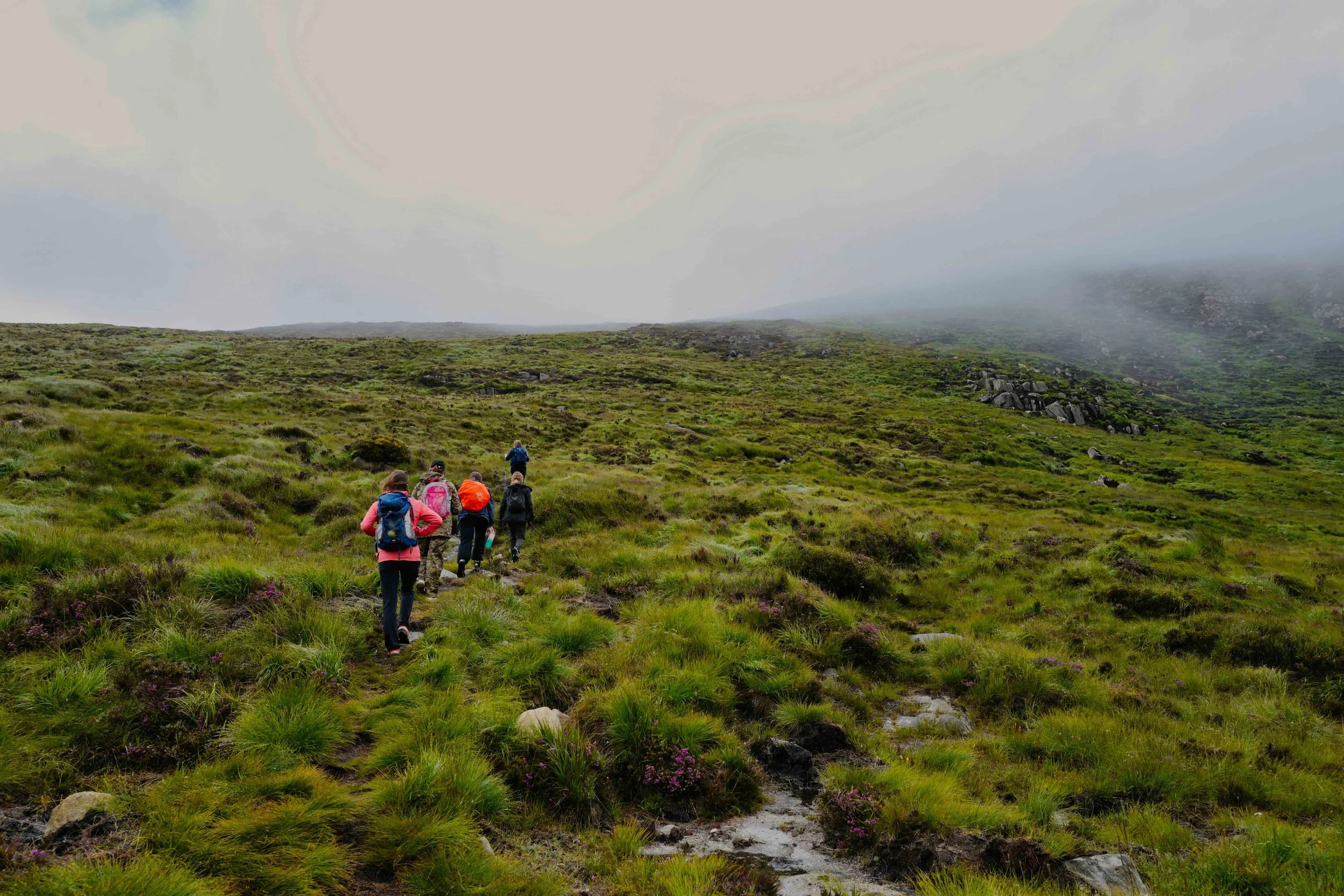
Peace Walks are designed for peace actors, conflict mediators, diplomats, policymakers, and civil society leaders. These individuals are actively involved in conflict resolution, diplomacy, or social cohesion efforts but lack informal spaces to connect and think creatively.
Intended audience and participation
Where do we walk?
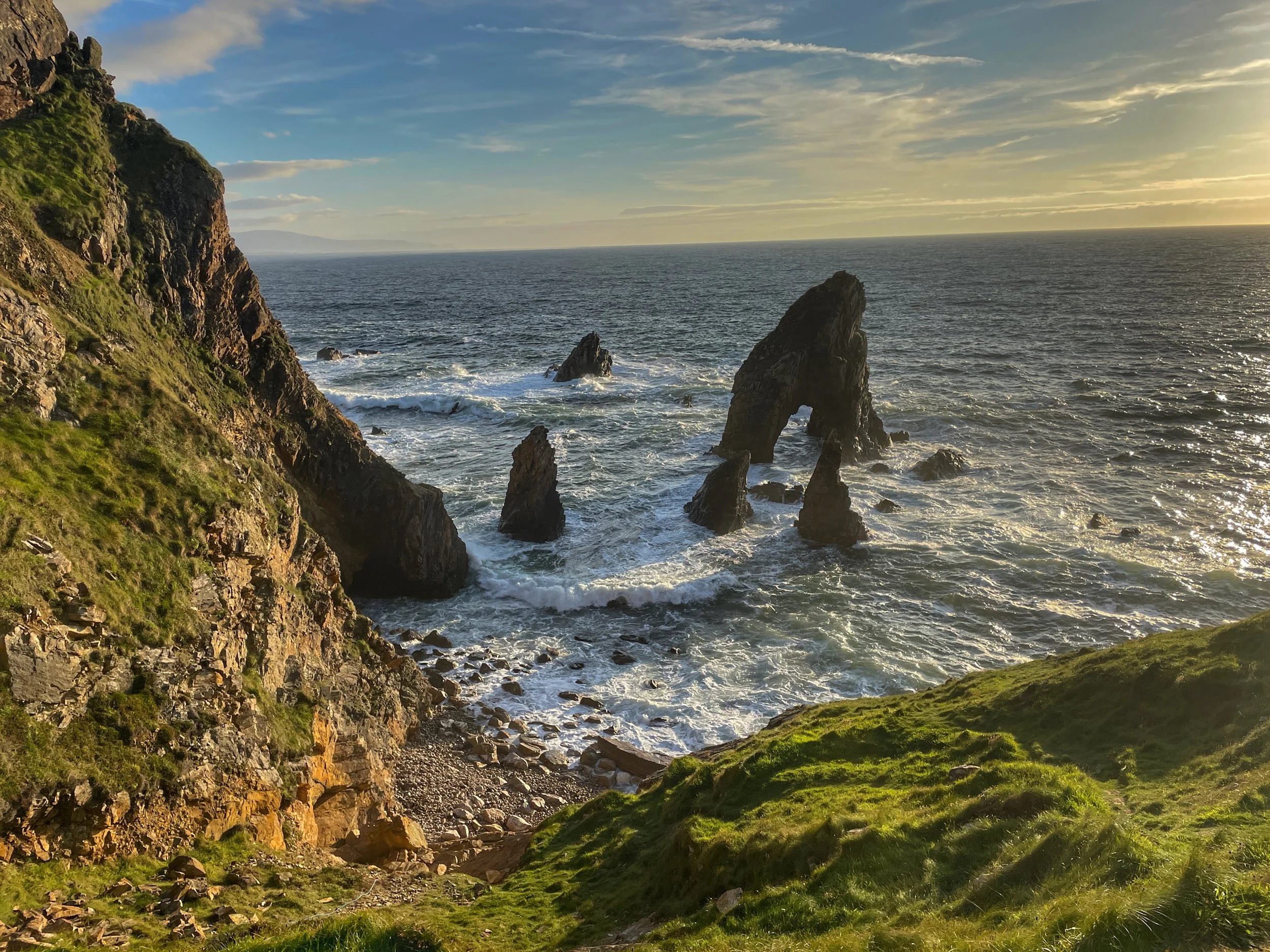
Peace Walks are grounded in places that allow for interaction with both the landscape and the people who live there.
We currently offer Peace Walks in Northern Ireland, from the Causeway Coast through the Glens of Antrim to Belfast and the Mourne Mountains, and on the Zagros Mountain Trail in nothern Iraq, crossing the mountains of the Kurdish region on ancient pathways.
Programme
Peace Walks take place over one week. The programme includes:
Exchanges with third siders who played a part in others conflicts and/or their resolution
Tailored hikes in the local countryside
Thematic sessions on mediation, trust building, storytelling, etc
Facilitated conversations amongst the participants and reflections on parallels
Unstructured time for reflection and contemplation
Peace Walks in Practice
The Peace Walks concept was piloted in 2024 in Turkey. In 2025, a Peace Walk in Northern Ireland was incubated by Yale University’s International Leadership Centre. Over the course of four days, participants from both sides of the contact line in Ukraine walked around 60km from the northernmost part of the north of Ireland to its southern border. Every day they were presented with a new theme and along the way, they were joined by local experts.
Each day was carefully and intentionally curated to support participants’ sense of journey:
Starting with an opening circle, including a contextual and thematic framing
Organizing the walk around key questions for quiet ponderation or discussion
Finishing with an opportunity to close the day together, share key learnings and insights
The themes were drawn from the main concerns participants shared about the future of Ukraine,which resonated with key issues during the Irish Troubles:
Different experiences of conflict / hierarchies of trauma
Language & Identity
Faith & Religion
Narratives & Peace
Meet the Team
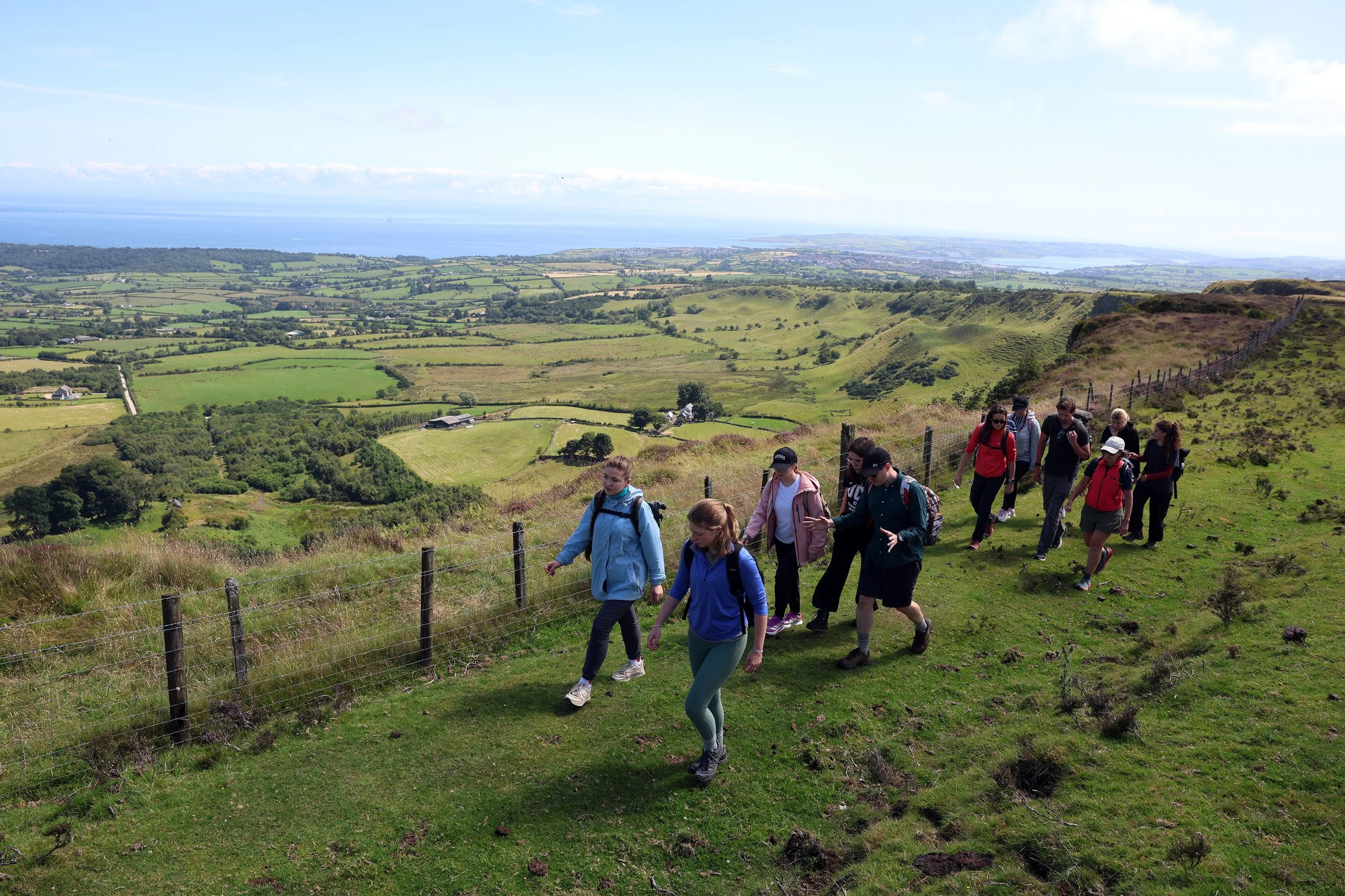
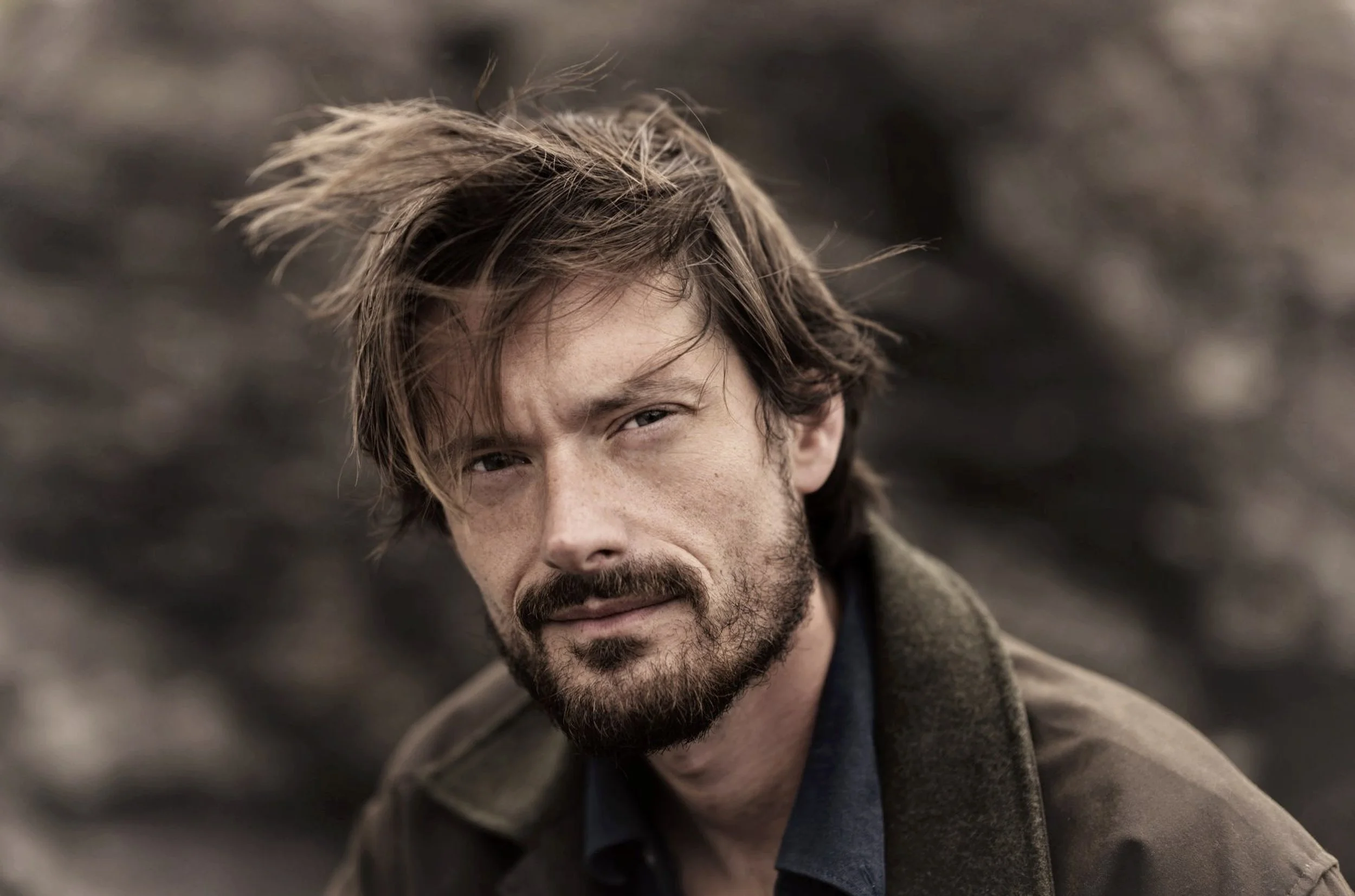
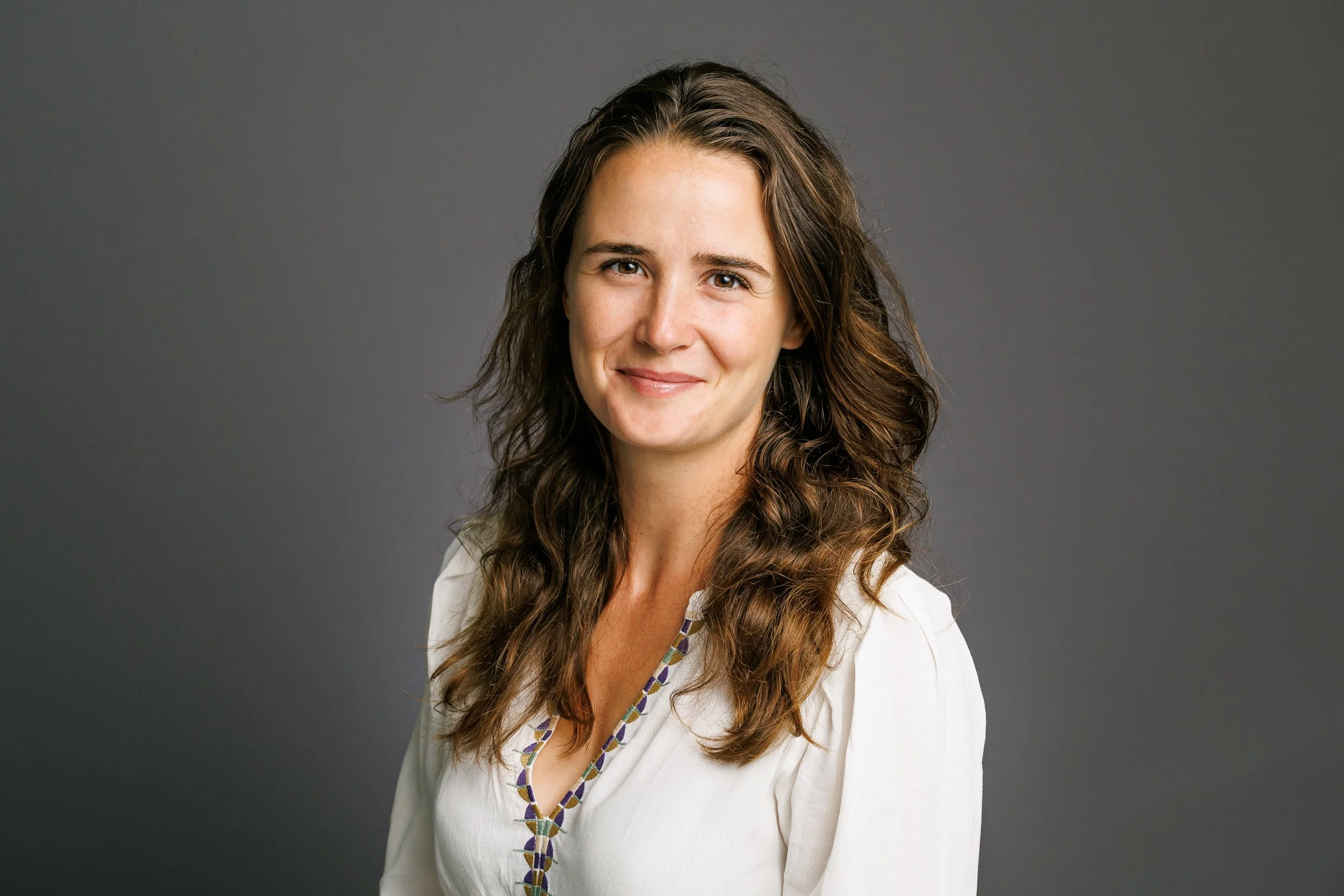
Peace Walks is led by writer and hiking trail designer Leon McCarron, and humanitarian diplomat, lawyer and strategist Federica du Pasquier.
-
Leon McCarron is an award-winning writer, broadcaster and hiking trail designer from the north of Ireland. He was a 2024 Yale World Fellow, a Senior Fellow of the Abraham Path Initiative, and the current holder of the Cherry Kearton Medal from the Royal Geographical Society. He has traveled over 30,000 miles by human power, including walking across China, crossing the Empty Quarter desert on foot, and following the river Tigris from source to sea.
Leon works at the intersection of journalism and exploration, and prioritizes local voices in his coverage of the most important stories of our time. He is the author of three books and has presented films for the BBC, National Geographic and Discovery Channel. As a trail developer, Leon designs cultural routes that create economic opportunity and encourage community cohesion, especially in regions that have experienced conflict. He has gathered and led diverse groups on paths all over the world, in the strong belief that walking together reminds us of our shared humanity. He is the co-founder of the Zagros Mountain Trail in northern Iraq.
-
Federica Du Pasquier is a humanitarian diplomat, lawyer, and strategist. She is currently spearheading a new initiative at the intersection of science, technology, and the future of peace and war at a Geneva-based anticipation do-tank (GESDA). Federica is also a Lecturer in Law and Global Affairs at Yale University and 2023 Yale World Fellow.
Prior to this, she spent close to a decade at the International Committee of the Red Cross (ICRC), contributing to its dialogue with conflict parties in Ukraine, Ethiopia, Syria and the Occupied Palestinian Territory and to its legal outreach at the UN in New York. For three years, Federica worked closely with the ICRC President on creating diplomatic opportunities for humanitarian action in some of the world’s most acute crises. She came away both humbled by the resilience and resourcefulness of those most affected by war, and viscerally struck by the urgency of finding new ways to prevent and resolve conflict.
Federica speaks English, French, Italian, Spanish, German, and Arabic. She is in love with mountains.